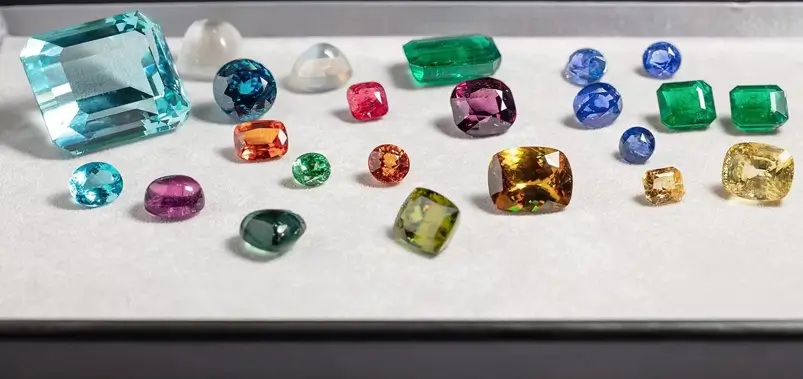
Jaipur and emeralds have a relationship that goes back five centuries. The city's craftsmen have been cutting, polishing, setting, and trading emeralds longer than most countries have existed as nation states, and the concentration of genuine expertise in this one stone in this one city is something that no other market in the world can match. Colombian miners send their rough stones to Jaipur. Brazilian emerald producers send their rough stones to Jaipur. Zambian miners send their rough stones to Jaipur. The world's colored gemstone trade converges here, and for a buyer who knows what they are doing, the opportunity this creates is extraordinary.
For a buyer who does not know what they are doing, Jaipur's emerald market is something rather different.
The same city that contains some of the world's finest real emerald Jaipur dealers also contains an organized, sophisticated, and entirely unapologetic network of vendors who sell synthetic emeralds, glass, dyed quartz, and treated stones as natural gems to visitors who lack the knowledge to tell the difference. The deceptions range from crude green glass sold in tourist bazaars for a few hundred rupees to genuinely sophisticated: laboratory created emeralds of excellent visual quality that require professional testing to distinguish from natural stones.
This guide is built to put you in the position of the informed buyer. It covers what authentic emerald in Jaipur actually means, how to identify quality, how to find dealers whose merchandise is what it claims to be, what certification is required for a purchase you can trust, and what the common scams look like so you can recognize and walk away from them. Read it before you step into a single shop in Johari Bazaar.
The history of Jaipur emerald shopping as a global phenomenon begins with geography and craft tradition. Jaipur sits at the convergence of several factors that together make it uniquely positioned in the global gemstone trade.
The first is craft continuity. Jaipur's gem cutting community organized in specific neighborhoods of the old city has transmitted cutting and polishing skills within families across generations in an unbroken line stretching back to the Mughal period. The result is a concentration of hands on expertise in colored stone cutting that cannot be replicated in markets that are younger or less continuous.
The second is trade infrastructure. The density of dealers, cutters, polishers, setters, exporters, and laboratory testing facilities in a relatively small geographic area creates an ecosystem that processes gemstones with a speed and efficiency that no other city can match. A rough Colombian emerald can arrive in Jaipur, be cut, polished, certified, set in gold, and shipped to a retailer in London or New York in a matter of weeks.
The third is price. Because Jaipur is a wholesale and manufacturing hub rather than a retail destination, the price at which natural emeralds of significant quality are available here is dramatically lower than equivalent stones in Western retail markets. A one carat Colombian emerald of fine color and clarity that would retail for 3,000 to 5,000 USD in a New York jewelry store can be purchased from a reputable Jaipur dealer for a fraction of that price. This price differential is real and significant. It is also what attracts the fraudulent operators who rely on buyers' awareness of the differential to sell them inferior goods at prices that seem too good to be true because they are.
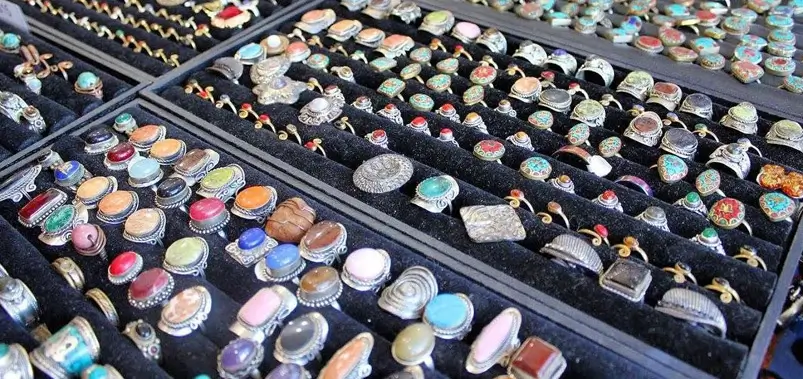
Before you can shop intelligently for a natural emerald Jaipur has to offer, you need to understand the four variables that determine emerald quality and value. These are color, clarity, cut, and treatment status.
Color - The Most Important Variable
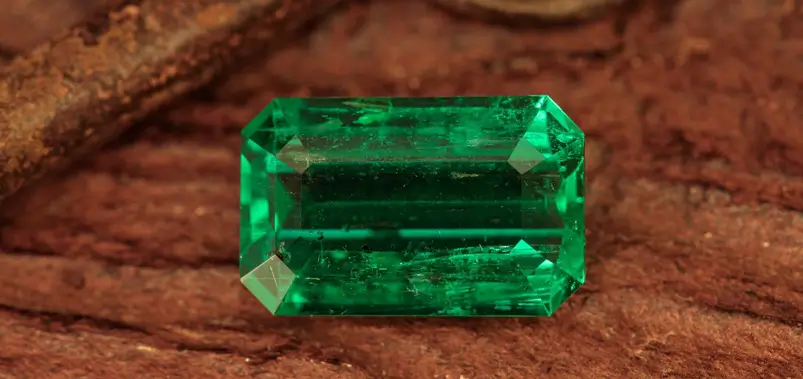
Color is the single most important quality factor in any emerald and the first thing a gemologist or experienced dealer assesses. The finest emerald color is described as a vivid, medium dark green with a slight bluish secondary hue sometimes called "Colombian green" after the source of the world's finest examples, though excellent color emeralds are produced in Zambia, Brazil, and other origins as well.
The color should be distributed evenly through the stone without noticeable color zoning patches of lighter or darker color that indicate uneven chromium distribution during crystal formation. Stones with excellent color uniformity command a significant premium over those with patchy or uneven color.
At the lower end of the quality scale, pale or yellowish green stones are common and significantly less valuable. Darker stones that appear blackish green rather than vivid green are also less desirable. The ideal is a stone that appears alive with color luminous and saturated without being dark.
Clarity - What Inclusions Actually Mean
Every natural emerald contains inclusions internal features created during the crystal's formation that are visible under magnification and sometimes to the naked eye. In the gem trade, emerald inclusions are given the French name "jardin" (garden), acknowledging that they are not defects but natural characteristics of the stone.
Unlike diamonds, where the clarity grading system penalizes almost any inclusion, emeralds are evaluated with the understanding that eye clean stones of significant size are genuinely rare and command prices that reflect that rarity. A natural emerald with no visible inclusions should immediately raise questions rather than inspire confidence such stones either command extraordinary prices or are synthetic.
What matters in emerald clarity is the degree to which inclusions affect the transparency, brilliance, and durability of the stone. Inclusions that significantly reduce transparency or that reach the surface of the stone (creating structural weaknesses) reduce value substantially. Inclusions that are present but that do not significantly affect the visual quality of the stone are normal and expected.
Cut - Proportions and Craftsmanship
The standard cut for emeralds is the rectangular step cut known simply as the "emerald cut" a shape developed specifically to showcase the color of this stone while protecting its corners (which are structurally vulnerable) from chipping. Well cut emeralds have even step facets, good symmetry, and proportions that allow light to enter and reflect through the stone without creating dark areas.
Jaipur's cutters are among the finest in the world for colored stones, and the cutting quality available from reputable dealers here is genuinely excellent. However, the commercial pressures of the gem trade mean that cutters sometimes sacrifice optimal proportions to preserve carat weight cutting a deeper, heavier stone that loses some brilliance rather than a shallower, lighter stone with better optical performance. Learning to assess cut quality by looking at how evenly the stone reflects light is a skill worth developing before you shop.
Treatment Status - The Most Important Disclosure
Treatment status is the variable that most directly determines emerald price in Jaipur and the one about which the most deception occurs.
Almost all natural emeralds undergo some degree of treatment to improve their apparent clarity. The standard and widely accepted treatment is filling the surface reaching fractures that are present in most natural emeralds with cedar oil or colorless resin. This filling reduces the visibility of fractures and improves the stone's overall appearance. A moderate level of oil or resin filling is considered standard practice and is fully accepted in the gem trade worldwide provided it is disclosed.
What matters is the degree of treatment and whether it is disclosed. Minor to moderate filling is acceptable and expected. Extensive filling where a significant portion of the stone's apparent clarity comes from the filling material rather than the stone itself is less desirable and should command a lower price. And complete non-disclosure of any treatment is fraudulent regardless of the degree.
The highest value natural emeralds are those with no treatment whatsoever often described as "no oil" on their laboratory certificates. These stones command a premium of 20 to 50 percent or more over treated stones of otherwise equivalent quality, because untreated natural emeralds of significant size and good color are genuinely rare.
Understanding the full range of what is marketed as certified emerald Jaipur dealers and market vendors sell is essential before you walk into any shop.
Natural Emeralds
Genuine, natural emeralds crystallized in the earth over millions of years. These range from commercial grade stones with significant inclusions and pale color to the finest collector quality gems with vivid color, good clarity, and prestigious origin. Natural emeralds are what reputable dealers sell, and they are what certification from a recognized laboratory confirms.
Synthetic Emeralds
Laboratory created emeralds have the same chemical composition as natural emeralds they are genuine emeralds in every chemical sense but they are created in a laboratory rather than formed in the earth. Synthetic emeralds are visually indistinguishable from natural ones to any non-specialist examination, including examination under a standard loupe.
Synthetic emeralds are sold legitimately at lower prices than natural ones and this is fine when they are accurately disclosed as synthetic. The fraud occurs when they are sold as natural emeralds at natural emerald prices. In Jaipur's tourist market, this substitution is common and difficult to detect without laboratory testing.
Treated Natural Emeralds Misrepresented as Untreated
Heavily treated natural emeralds stones whose apparent quality is substantially enhanced by extensive filling are sometimes sold as lightly treated or untreated stones. Because untreated or lightly treated stones command a significant premium, this misrepresentation is financially significant and directly targeted at buyers who specifically ask for untreated stones.
Glass and Simulants
At the most basic fraud level, green glass and dyed quartz or glass composites are sold as emeralds in tourist oriented shops throughout the Jaipur market. These are sold at low prices a few hundred to a few thousand rupees to buyers who are attracted by the apparent bargain. The stones are entirely valueless as gemstones and require no sophisticated testing to identify if you know the basic visual characteristics of glass versus natural stone.
While no visual assessment substitutes for laboratory testing for significant purchases, there are several things you can observe before requesting certification that help you calibrate whether a stone is worth testing at all.
The Inclusion Test
Look at the stone under a standard jeweler's loupe (10x magnification) and look for inclusions. A natural emerald of any quality will have inclusions visible under magnification needle ike crystals, fingerprint like fluid inclusions, or other characteristic features. A stone that appears completely clean under 10x magnification is either an exceptionally rare and extraordinarily expensive natural emerald or far more likely a synthetic stone or glass. In a Jaipur tourist market context, assume the latter until proven otherwise.
The Refractive Index Check
Natural emeralds have a specific refractive index that can be measured with a refractometer a straightforward instrument that any serious gemstone dealer will have on their premises. Asking a dealer to demonstrate the refractive index of a stone you are considering is a reasonable and entirely professional request. A natural emerald reads consistently between 1.565 and 1.600 on a standard refractometer. Glass and many simulants read differently. Synthetic emeralds read similarly to natural ones, which is why laboratory testing remains essential.
The Color and Luster Assessment
Natural emeralds have a specific quality of color and luster that is difficult to describe precisely but becomes recognizable with exposure to multiple stones. The color has depth it appears to come from within the stone rather than from the surface. Glass stones tend to have a more surface level color quality and a different luster more glassy and reflective rather than the subdued, slightly waxy luster of a natural emerald.
This is a judgment call that improves with experience. If you can, visit a reputable dealer before shopping elsewhere and ask to handle several natural emeralds simply for educational purposes. Calibrating your eye against known natural stones before evaluating stones of uncertain provenance is the most practical preparation you can do.
The Temperature Test
Natural gemstones including emeralds feel cool to the touch and warm slowly in the hand. Glass reaches ambient temperature much more quickly. This is a rough test and not reliable enough for any significant purchase decision, but as a first pass filter in a market context it has some value. A stone that warms rapidly in your hand is glass or a synthetic material. A stone that remains noticeably cool for an extended period may be natural though this test alone proves nothing.
For any buy authentic emerald in Jaipur purchase above a nominal value, laboratory certification is not optional. It is the only reliable way to confirm that what you are buying is what it is represented to be.
The Gem Testing Laboratory of Jaipur (GTL)
The Gem Testing Laboratory of Jaipur is the most respected gemological testing facility in India and the primary certification authority for the Jaipur market. A GTL certificate for a natural emerald will specify the stone's identity (confirming it is a natural beryl of the emerald variety rather than a synthetic or simulant), its weight in carats, its country of origin where determinable, and its treatment status including the degree of clarity enhancement.
GTL certificates are universally recognized within the Indian gem trade and by most international buyers with experience in the Jaipur market. Testing through the GTL typically takes one to two days and costs a modest fee relative to the value of any significant emerald purchase.
GIA Certification
The Gemological Institute of America (GIA) is the internationally recognized gold standard for gemstone certification and is particularly important for high value purchases or for buyers who intend to resell or insure their stones in a Western market context. GIA certification requires sending the stone to a GIA laboratory in India, the GIA operates through its Mumbai facility and the process takes longer and costs more than GTL certification.
For purchases above approximately 2,000 USD in value, GIA certification adds a level of assurance that is worth the additional time and cost, particularly for buyers who are unfamiliar with the GTL's reputation or who need internationally recognized documentation for insurance or resale purposes.
Other International Laboratories
Gübelin Gem Lab (Switzerland) and SSEF Swiss Gemmological Institute are the most prestigious international laboratories for colored stones and are considered the highest standard for origin determination critical for Kashmiri sapphires and Burmese rubies, and increasingly important for Colombian versus Zambian emerald origin determination. For most Jaipur emerald purchases at the mid market level, GTL or GIA certification is entirely sufficient.
Making the Purchase Contingent on Certification
The correct procedure for any significant emerald dealers Jaipur transaction is to identify a stone you wish to purchase, agree on a price subject to laboratory confirmation, deposit the stone with the laboratory, receive the certificate, and then complete the purchase if the certificate confirms what the dealer represented. Reputable dealers facilitate this process without hesitation. Any dealer who objects to laboratory testing before purchase regardless of what reason they give is not a dealer you should buy from.
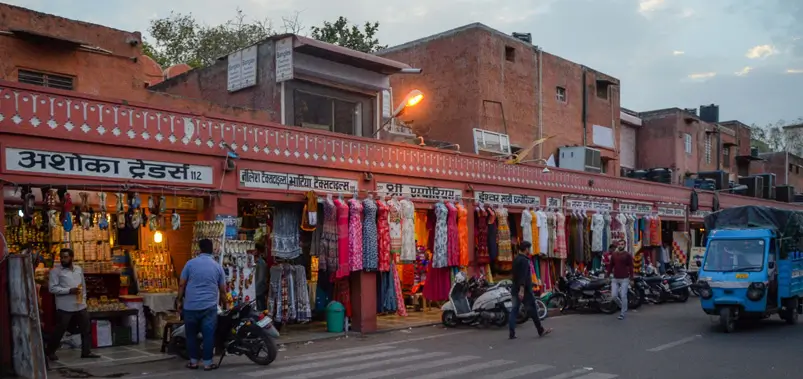
The Wholesale Price Scam
This is the most common and most financially damaging scam targeting international buyers in Jaipur's Jaipur emerald shopping market. A buyer is brought to a dealer typically by a rickshaw driver or guide working on commission and is told that they are being offered a special wholesale price available only to serious buyers or through a special connection.
The stones are real emeralds. The prices are lower than international retail. The story is compelling. What the buyer does not know is that the stones are heavily treated, significantly below the quality represented, or both and that the "wholesale price" is still three to five times what the stones would fetch from a knowledgeable buyer with access to the actual wholesale market.
The fix: never buy through a commission introduced dealer, always insist on GTL certification, and treat any narrative involving "special access" or "wholesale pricing" as a red flag rather than an opportunity.
The Bait and Switch
A buyer examines and agrees to purchase a specific stone. During the administrative process of completing the transaction writing the receipt, preparing the packaging the stone is switched for an inferior or synthetic equivalent. The buyer leaves with a stone that is not the one they selected.
The fix: mark the stone you are purchasing before it leaves your sight. A small piece of tape or a marker dot on the girdle of the stone, applied in your presence and confirmed before the stone is taken for packaging, makes this substitution impossible to execute without detection. Never allow the stone to be taken out of your sight without this marking.
The Certificate Scam
Fraudulent certificates that appear to be from GTL, GIA, or other recognized laboratories but are in fact forgeries or certificates for entirely different stones are used to sell inferior or synthetic material as certified natural emeralds.
The fix: verify certificates independently. GTL certificates can be verified by contacting the laboratory directly or through their online verification system. GIA certificates have a specific online verification system that confirms the certificate number, the stone details, and the date of issue. Any certificate that cannot be verified through the issuing laboratory's official channels should be treated as fraudulent.
The Origin Inflation Scam
Colombian emeralds command a premium over Zambian or Brazilian stones of otherwise equivalent quality because of the prestige of the Colombian origin and the specific color characteristics associated with the finest Colombian material. Dealers who know this sometimes represent Zambian or Brazilian stones as Colombian.
The fix: origin determination requires laboratory testing with sophisticated equipment it cannot be assessed visually. If origin is important to your purchase, insist on a certificate from a laboratory that performs origin determination (GTL, GIA, Gübelin, or SSEF) and specifically confirm that the certificate includes a stated origin conclusion.
The Friendly Stranger Introduction
A visitor is befriended at a tourist site Amber Fort, Hawa Mahal, a hotel lobby by a local who seems genuinely helpful and knowledgeable. In the course of conversation, the stranger mentions that they are a gem dealer or know a gem dealer with extraordinary stones at excellent prices. They offer to facilitate an introduction.
This is one of the oldest and most consistently effective tourist market scams in India. The "friendly stranger" is a commission agent. The dealer they introduce you to is their business partner. Walk away from this introduction entirely, regardless of how genuine the connection seems.
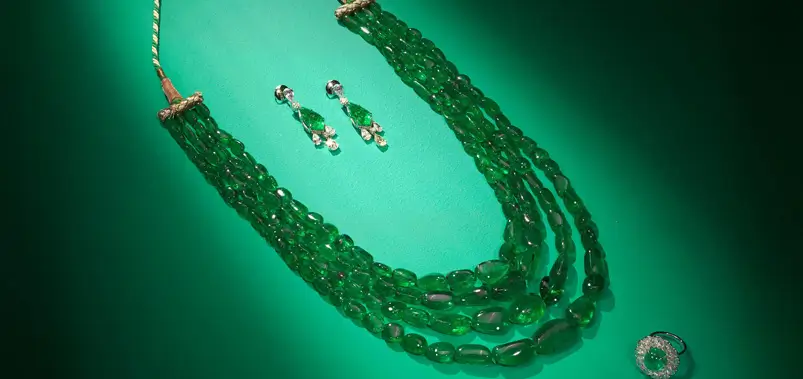
The Johari Bazaar Area
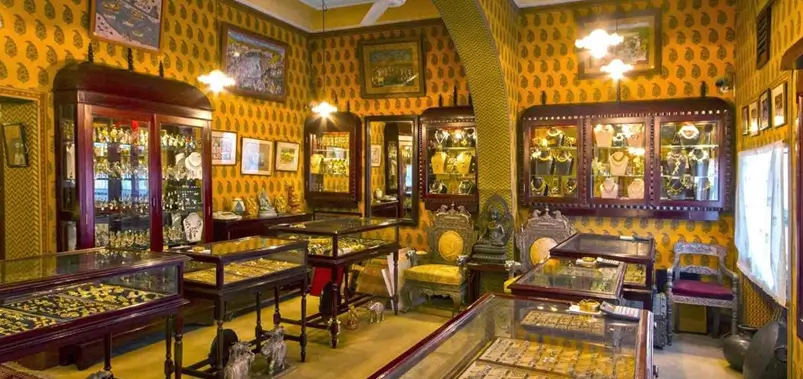
Johari Bazaar emerald shopping is where the legitimate end of the market is concentrated. The street and its immediate surroundings contain both reputable established dealers and less scrupulous operators, often in adjacent premises. The challenge is that they frequently look similar from the outside.
Indicators of a reputable Johari Bazaar dealer include: a physical showroom with a verifiable business address and history, membership in the Gem and Jewellery Export Promotion Council (GJEPC), willingness to provide GTL or GIA documentation for all significant stones, a staff that answers technical questions with specificity rather than generality, and a client base that includes regular international buyers rather than exclusively walk in tourists.
GJEPC Member Dealers
The Gem and Jewellery Export Promotion Council maintains a directory of member dealers, and membership while not a guarantee of quality indicates a business that has registered with the industry's primary regulatory body and that has accountability to that body for its conduct. GJEPC membership details are available through the organization's official website, and confirming a dealer's membership status takes five minutes.
Booking Through a Reputable Tour Operator
The highest confidence approach to best emerald shops Jaipur shopping is booking through a tour operator like Golden Triangle Tours that maintains commission free relationships with vetted dealers. When your guide has no financial relationship with any shop you visit, their recommendation reflects genuine knowledge of who sells authentic merchandise at fair prices rather than who pays the highest referral commission.
This approach also gives you an advocate in the transaction someone who speaks the language, understands the market, and can negotiate on your behalf with the authority of an established relationship rather than the disadvantage of a first time visitor.
Emerald price in Jaipur varies enormously based on quality, origin, size, and treatment status. Understanding the price ranges helps you calibrate whether a quoted price is realistic or suspicious.
Commercial grade natural emeralds pale color, significant inclusions, standard treatment are available from as little as 500 to 2,000 rupees per carat (approximately 6 to 24 USD per carat). These are genuine natural emeralds and are entirely appropriate for decorative jewelry where fine gem quality is not the goal.
Mid range natural emeralds with good color and moderate clarity the quality range most commonly purchased by international visitors for jewelry use range from approximately 5,000 to 30,000 rupees per carat (60 to 360 USD per carat) depending on specific quality factors and treatment status.
Fine quality natural emeralds with vivid color, good clarity, and light treatment or no treatment range from 30,000 to 1,50,000 rupees per carat (360 to 1,800 USD per carat) and above. Top quality Colombian emeralds with GIA or Gübelin origin certificates and minimal treatment at this price level represent significant value compared to equivalent stones in Western retail markets.
Any price that falls dramatically below these ranges for stones represented as high quality should immediately trigger the question: why is this so much cheaper than it should be?
Emerald quality guide Jaipur purchases need to get home safely and legally. Here is what you need to know.
Keep all receipts, certificates, and documentation in your carry on luggage never in checked baggage. Customs declarations for gemstone purchases vary by country. In the United States, the personal exemption threshold is currently 800 USD; above this, import duty applies. Check your home country's customs regulations before you purchase.
For high value purchases, obtain an export certificate from your dealer before leaving India established exporters are familiar with this process and can prepare the documentation quickly. The export certificate is useful both for customs purposes and as additional supporting documentation for insurance.
Insure significant emerald purchases as soon as you return home. A gemological laboratory certificate is the documentation your insurer will require to establish the insured value of the stone. Keep the original certificate in a secure location separate from the stone.

We promise you a holiday where everything is taken care of from the moment you land. Trusted drivers waiting for you, handpicked hotels that fit your style, personalized itineraries designed just for your family, and a dedicated team on call 24/7. All you need to do is relax, explore, and create unforgettable memories, while we take care of every detail behind the scenes.
GJEPC membership is the most accessible verification for dealers without a personal introduction. Online research through verified review platforms - looking for dealers with substantial, detailed, and consistent positive reviews from international buyers over an extended period - is a reasonable starting point. The safest approach remains booking through a reputable tour operator with established, commission-free dealer relationships, which removes the identification challenge entirely.
GTL certification before completing any significant purchase. Everything else in this guide - the quality knowledge, the scam awareness, the negotiation approach, the receipt documentation - supports this single most important principle. A natural emerald confirmed by a recognized laboratory certificate is a purchase you can be confident about. An emerald purchased on the basis of a dealer's verbal assurance and a compelling story is a risk that the Jaipur market's history of tourist fraud makes entirely unjustifiable.
The emerald market operates year-round. The period around the Jaipur Jewellery Show (JJS), typically held in late December or early January, brings the widest selection of merchandise to the city as dealers prepare for the trade fair season. For retail buyers, shopping adjacent to this period provides access to a broader range of stock. The regular tourist season from October through March is the most comfortable time to shop from a weather perspective, with no significant seasonal variation in prices or availability.
Yes. Jaipur's jewelry setters are among the finest in the world, and having a stone set in gold or silver while you are in the city is entirely practical. Allow two to five days for custom setting work - more for complex designs. Reputable dealers often have in-house or closely affiliated setters and can manage the full process from stone selection through finished jewelry. Confirm the metal quality (18 or 22 karat gold, 925 sterling silver), the setting fee, and the timeline before the stone is handed over for setting.
The finest Colombian emeralds - those with the specific vivid bluish-green color and the particular quality of transparency associated with the Muzo and Chivor mines - are generally considered the world standard for emerald color and command a premium accordingly. However, Zambian emeralds have made significant progress in market recognition over the past two decades. The finest Zambian stones offer excellent color and generally better clarity than Colombian stones at equivalent price points. The choice between Colombian and Zambian depends on your specific priorities - origin prestige versus clarity quality - and your budget.
A complete receipt should specify the stone type (natural emerald), weight in carats, color grade or description, treatment status as disclosed, origin if stated, price paid, dealer's name and address, and the date of purchase. Any receipt that does not include these specifics is insufficient documentation for insurance, customs, or dispute resolution purposes. Insist on a complete receipt regardless of the size of the purchase.
Yes. Negotiation is standard and expected in Jaipur's gem market, including at reputable establishments. The appropriate degree of negotiation depends on the quality level - high-quality certified stones have tighter margins than commercial-grade material. Counter at approximately 70 to 80 percent of the asking price for certified fine stones, and at 60 to 70 percent for commercial-grade material. Be respectful and unhurried - aggressive negotiation is counterproductive in a market where the seller's knowledge significantly exceeds the buyer's.
For a one-carat natural emerald of good color and moderate clarity with standard treatment - the quality level appropriate for fine jewelry use - budget approximately 15,000 to 50,000 rupees (roughly 180 to 600 USD). For fine quality stones with vivid color and minimal treatment, budget significantly more. Commercial quality stones suitable for decorative purposes are available for less. The price should reflect the quality factors described in this guide - any significant deviation from these ranges in either direction warrants careful investigation.
Both are worthwhile depending on your purpose. Loose stones allow you to assess the stone's quality directly without the setting obscuring inclusions or affecting color perception, and they can be set to your specification by a Jaipur jeweler or after you return home. Finished jewelry is more immediately wearable but makes stone assessment more difficult. For buyers who are making a significant quality-focused purchase, starting with a loose stone and having it set is the more informed approach.
Natural emeralds are formed in the earth through geological processes over millions of years. Synthetic emeralds have the same chemical composition but are created in a laboratory. Both are genuine emeralds chemically, but natural emeralds command substantially higher prices because of their rarity. The distinction cannot be made visually and requires laboratory testing. This distinction is the source of one of the most common frauds in Jaipur's tourist gem market.
Online purchasing from Jaipur dealers carries significantly higher risk than in-person purchasing where you can examine the stone, request laboratory testing before payment, and develop a direct relationship with the seller. If purchasing online, limit yourself to dealers with verifiable international reputations, GIA-certified stones where the certificate number can be independently verified, and purchase platforms that offer meaningful buyer protection. The premium paid for in-person purchasing - in terms of time and travel - is justified by the significantly lower risk.
GTL certification for a single stone typically costs between 500 and 2,000 rupees (approximately 6 to 24 USD) depending on the complexity of the testing required. GIA certification costs more and takes longer, with fees varying based on stone weight and the specific services requested. These costs are negligible relative to the value of any significant emerald purchase and should be treated as a standard transaction cost rather than an optional extra.
The Gem Testing Laboratory of Jaipur is India's most respected gemological testing facility, located in the Johari Bazaar area. To test a stone, bring it to the laboratory - either before purchase with the dealer's knowledge, or after purchase if you retained the right to return the stone pending certification. The laboratory issues a written report specifying the stone's identity, weight, treatment status, and origin where determinable. The process takes one to two days.
Visual assessment alone cannot reliably distinguish natural from synthetic emeralds - both have similar optical properties that make them difficult to differentiate without professional equipment. The only reliable method is laboratory testing at the GTL or a comparable certified laboratory. For any emerald purchase above a nominal value, GTL certification before completing the purchase is the non-negotiable standard.