What Is a Golden Triangle Tour?
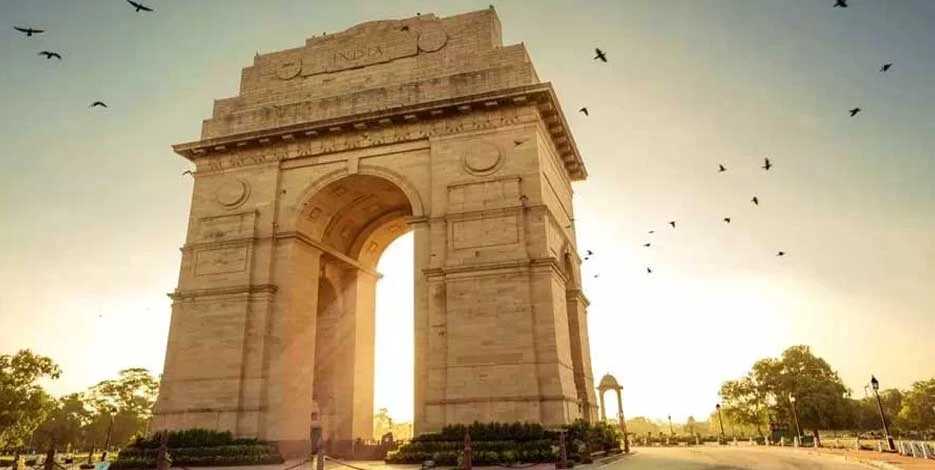
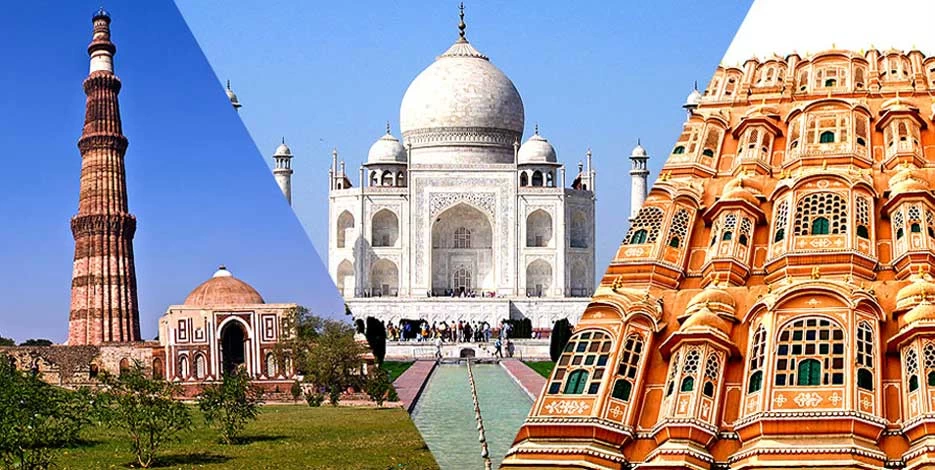
A Golden Triangle Tour India connects Delhi, Agra and Jaipur, three cities that provide a strong introduction to North India’s history, architecture, food, markets and living traditions. The route forms a practical circuit, with manageable road connections between the cities and a broad range of hotels available at each stop. Delhi is normally used as the arrival and departure point because of its international flight connections.
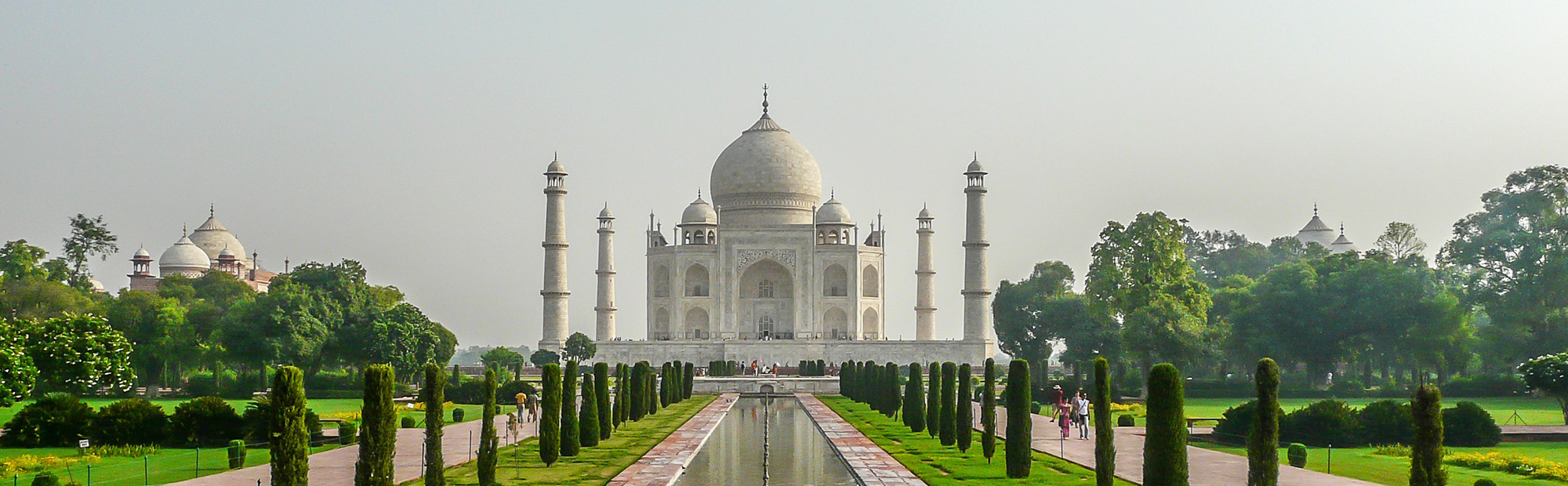
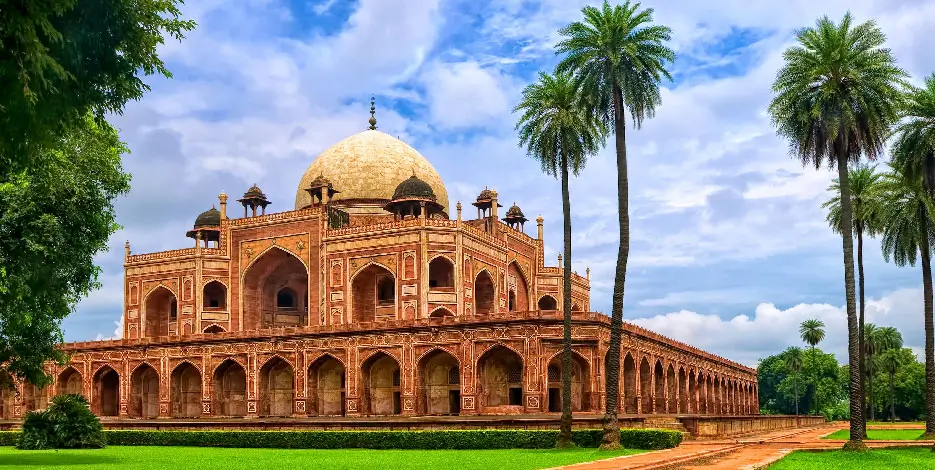
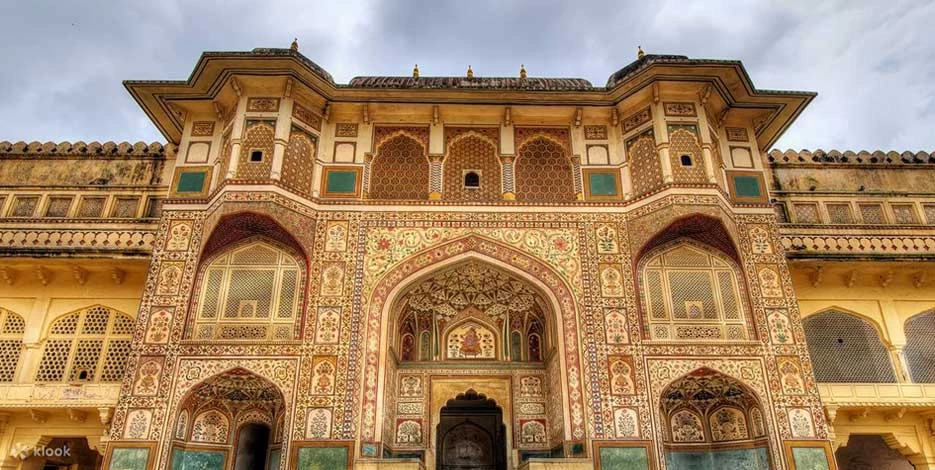
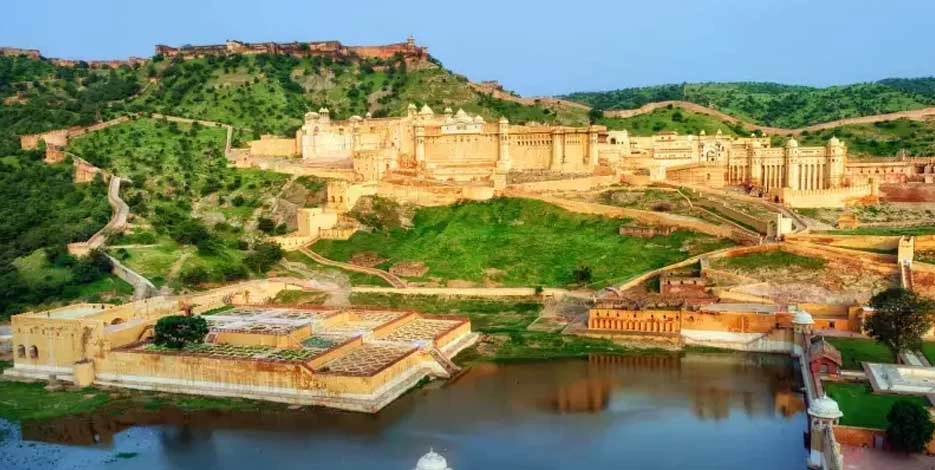
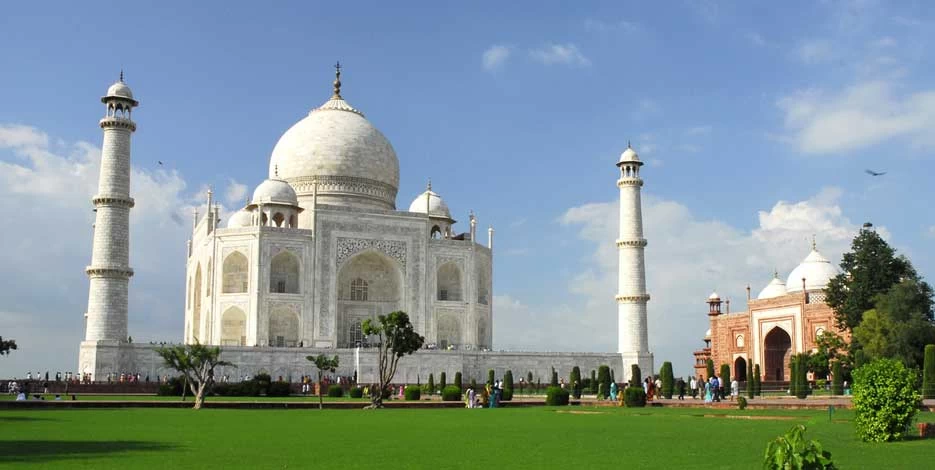
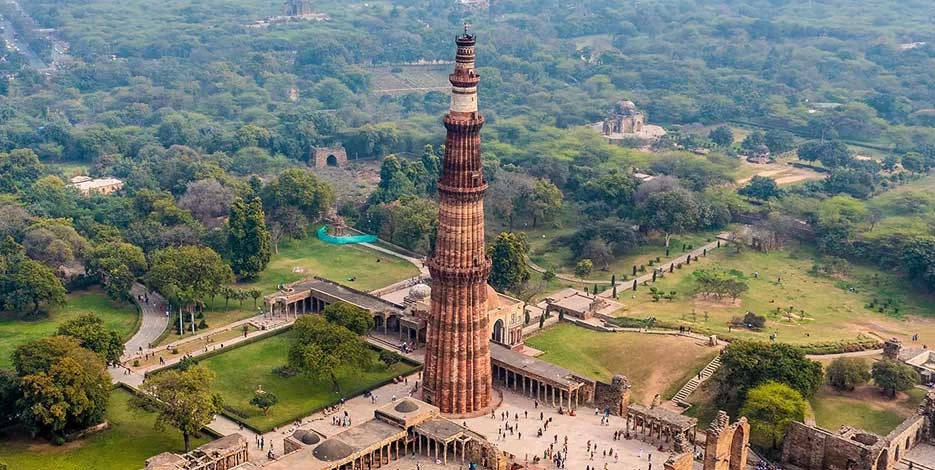
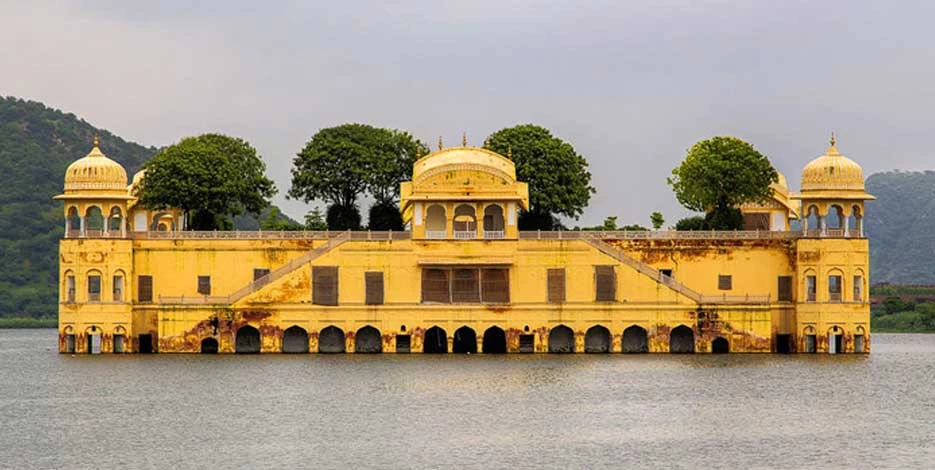
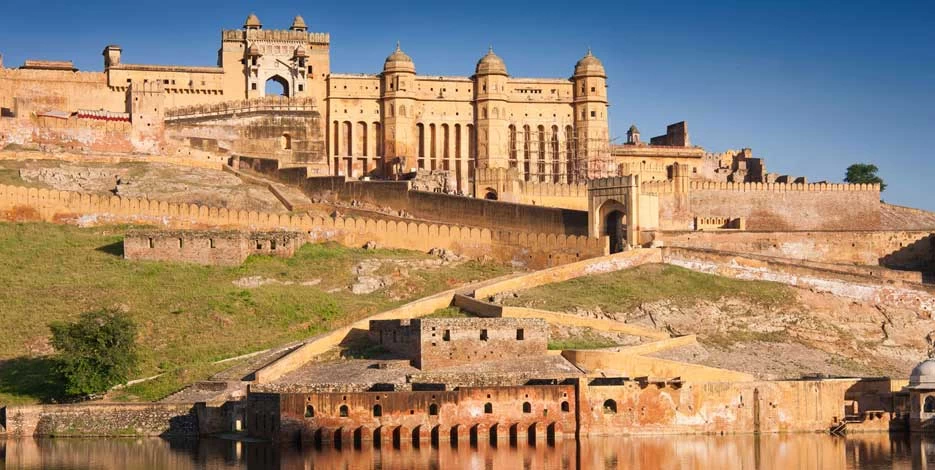
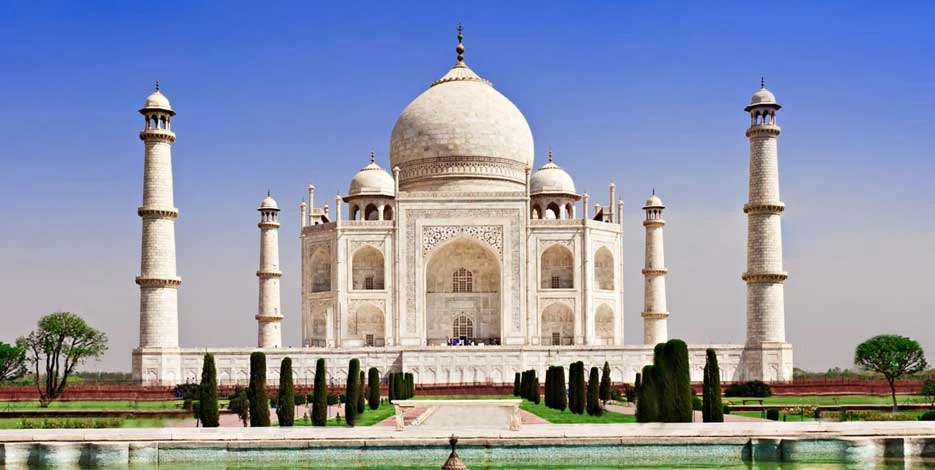
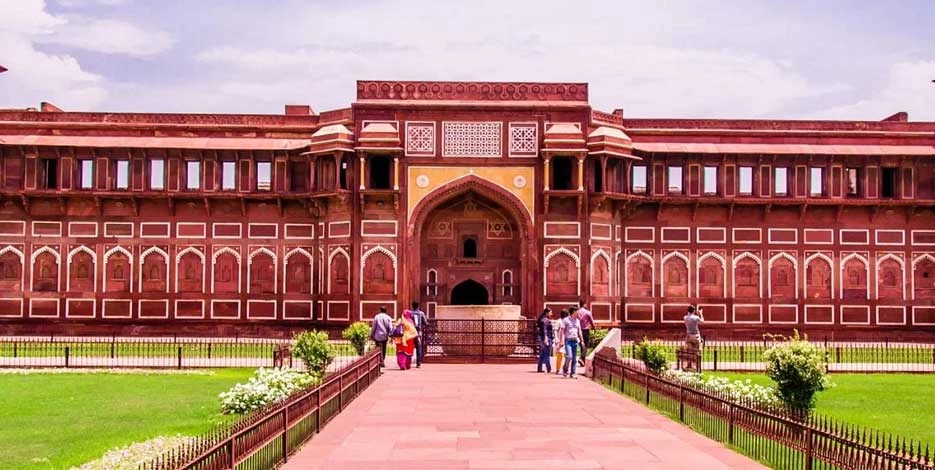
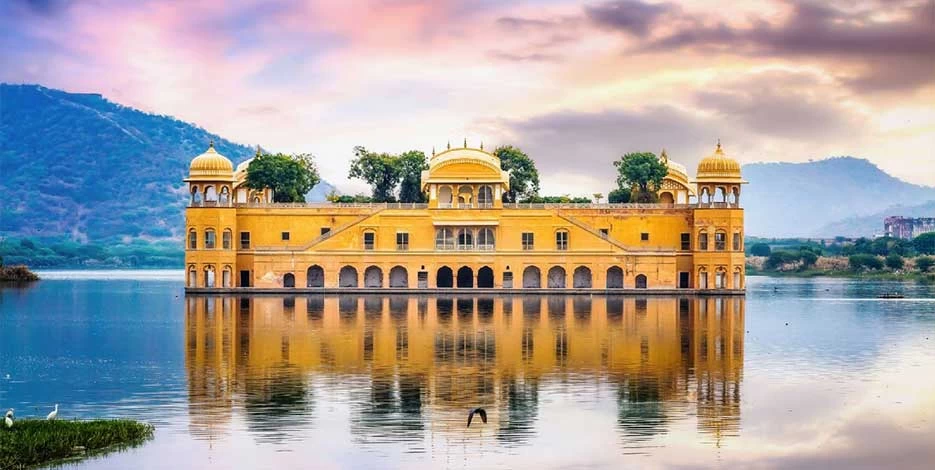
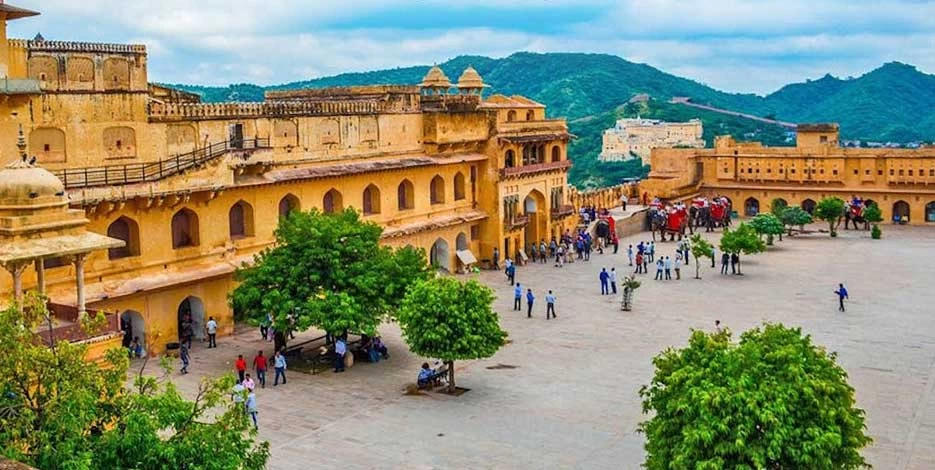
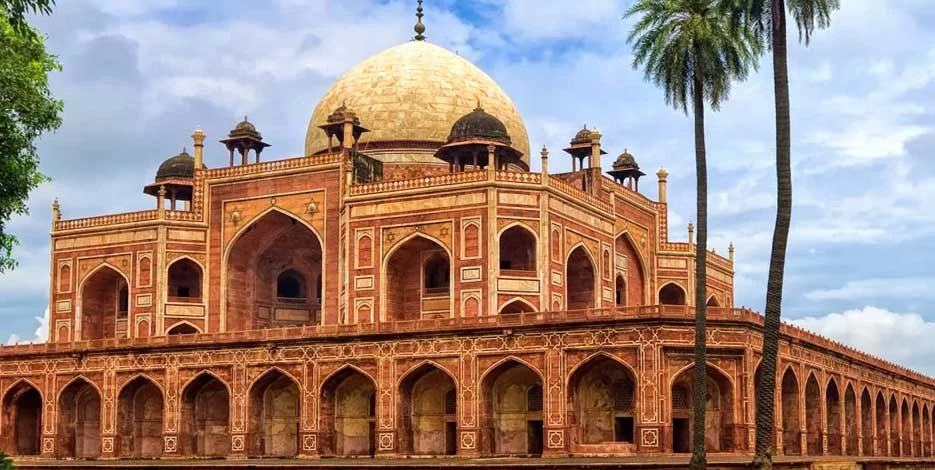
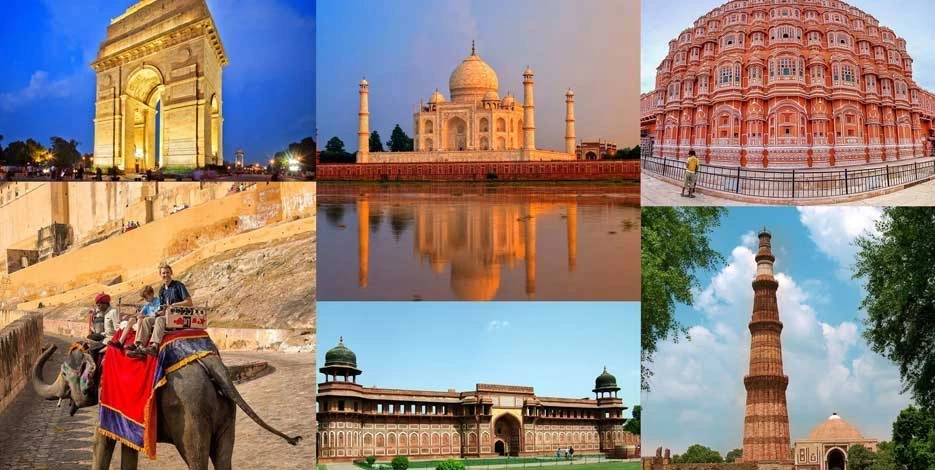
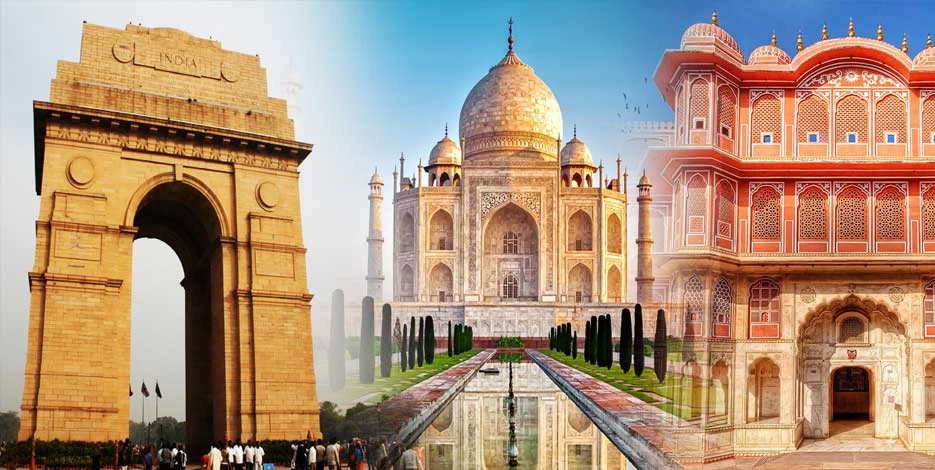
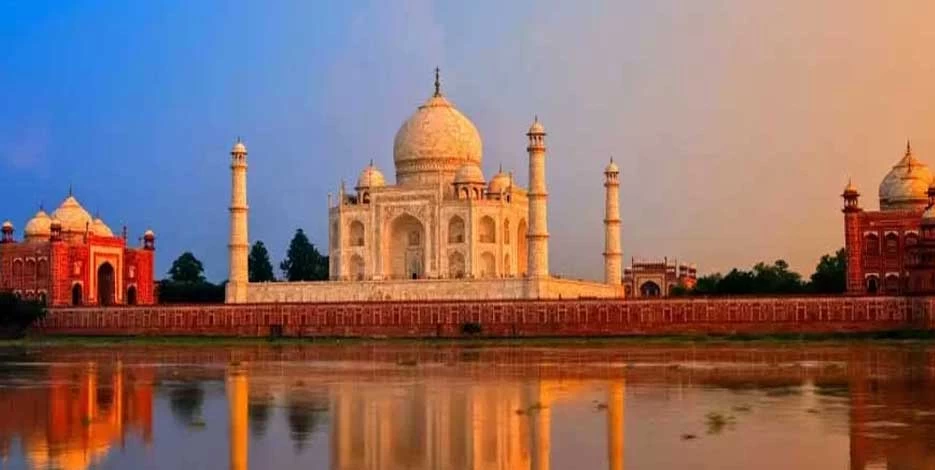
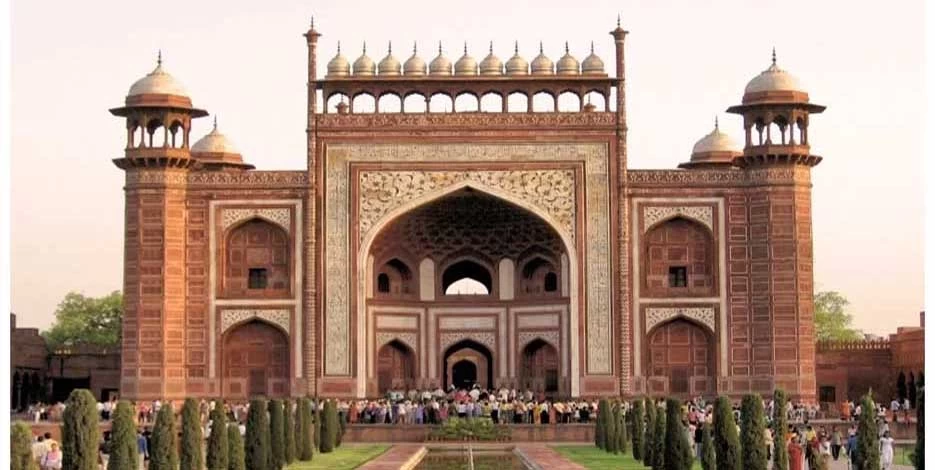
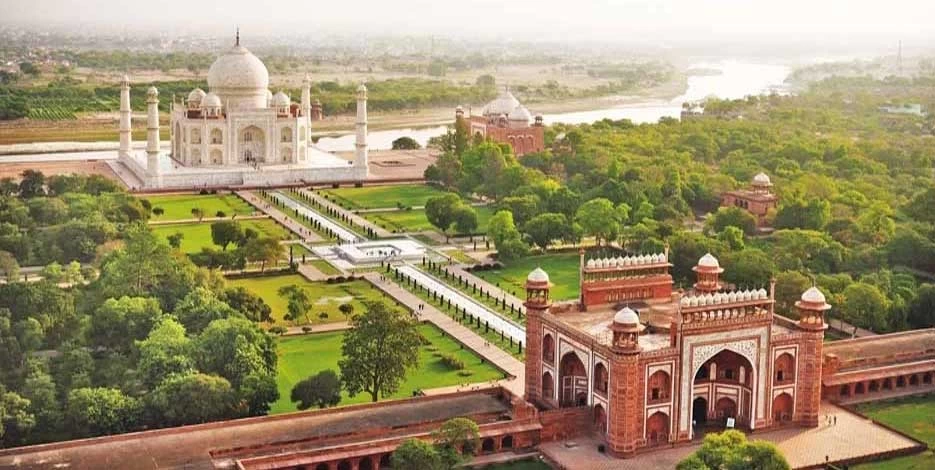
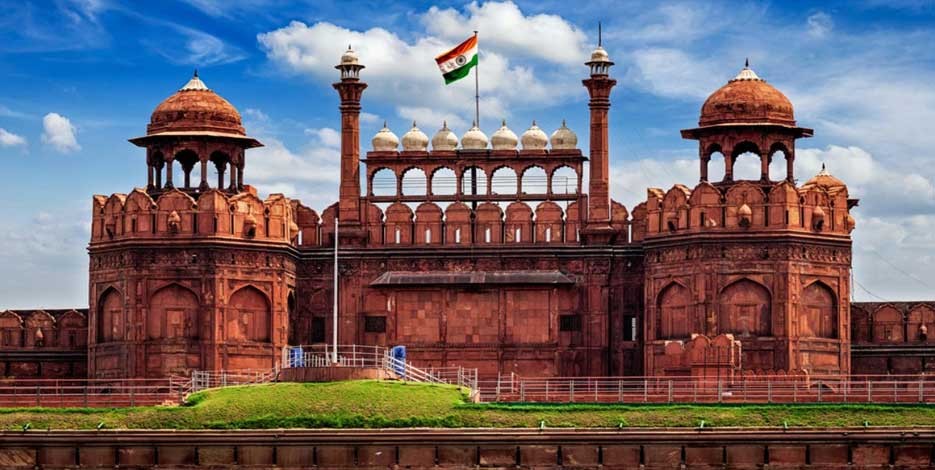
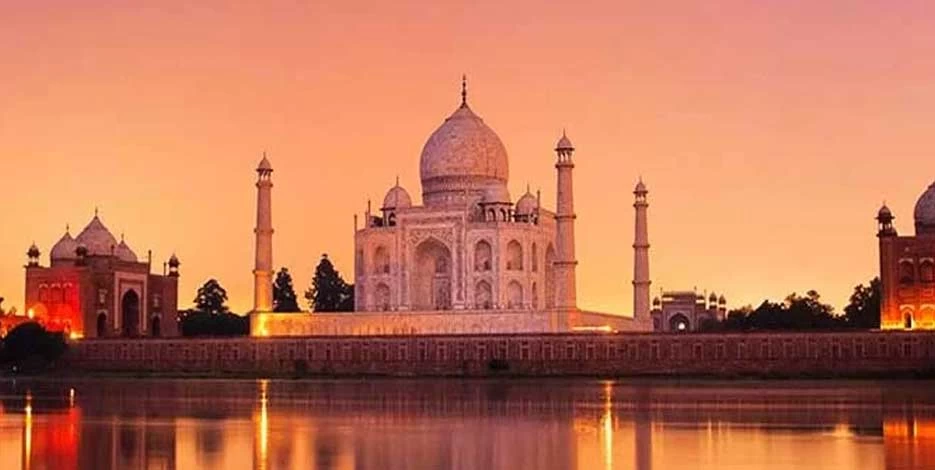
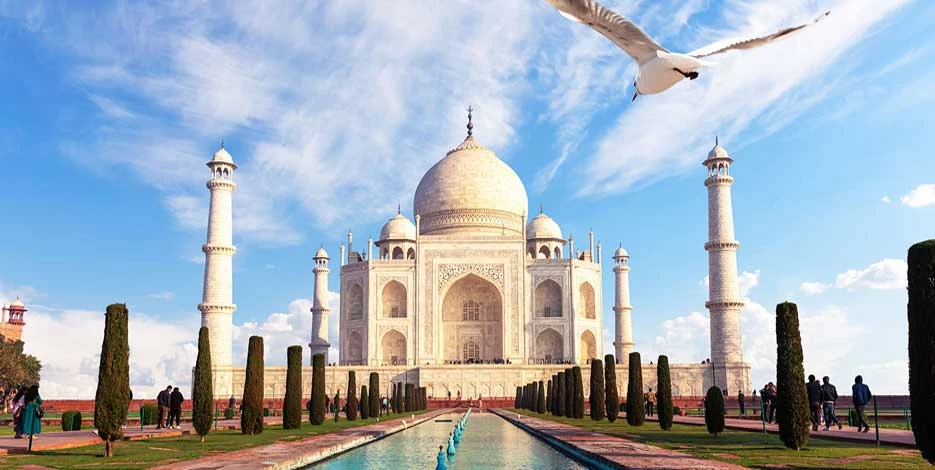
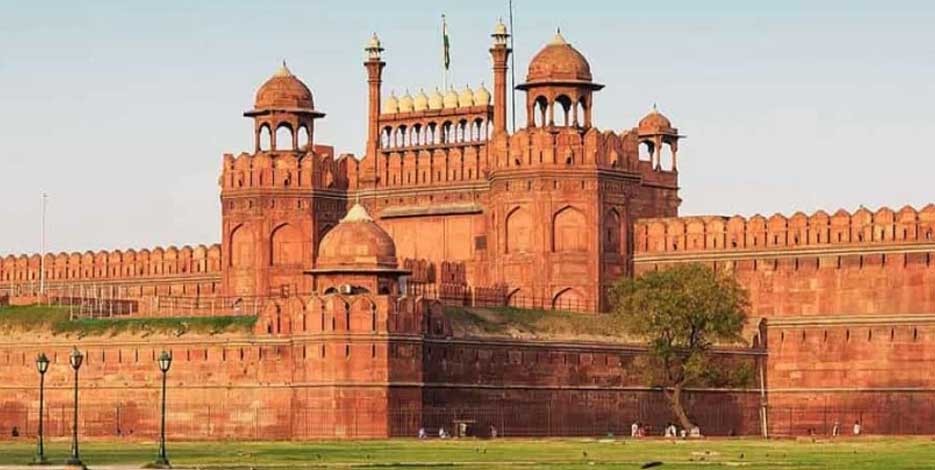
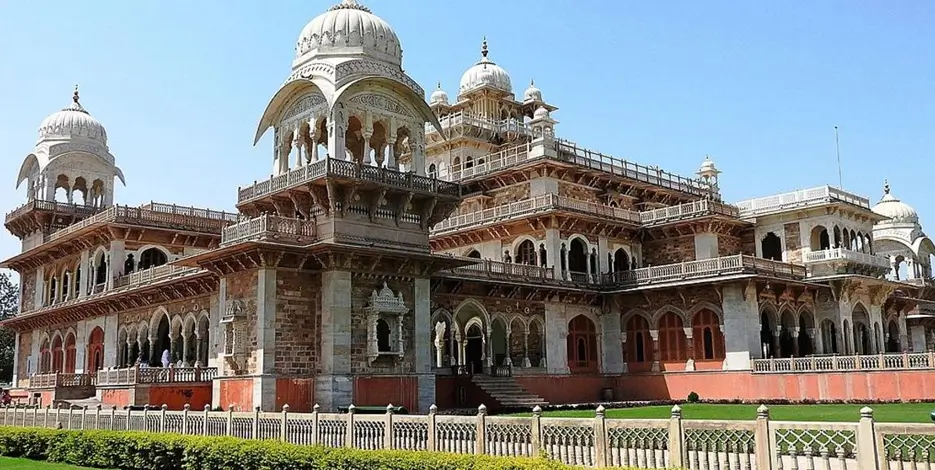
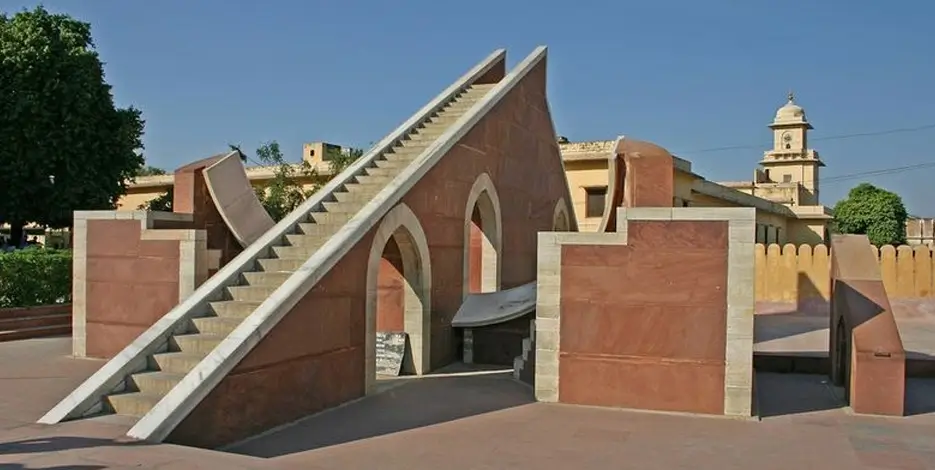
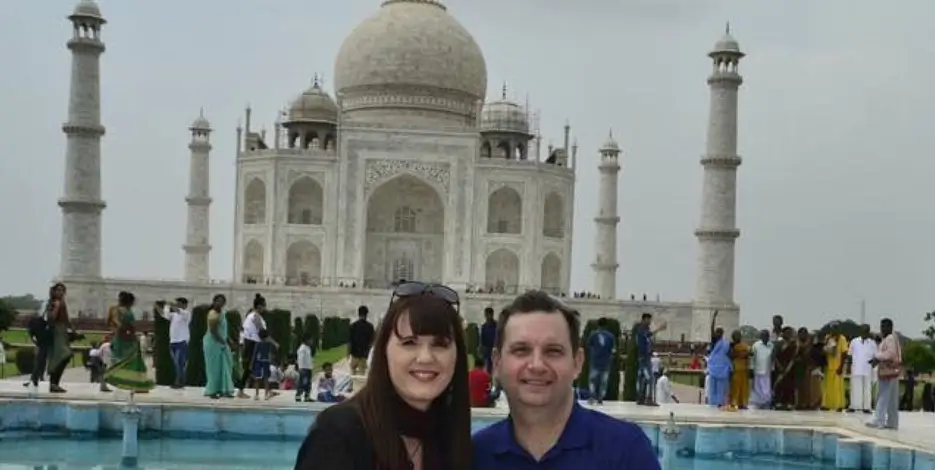
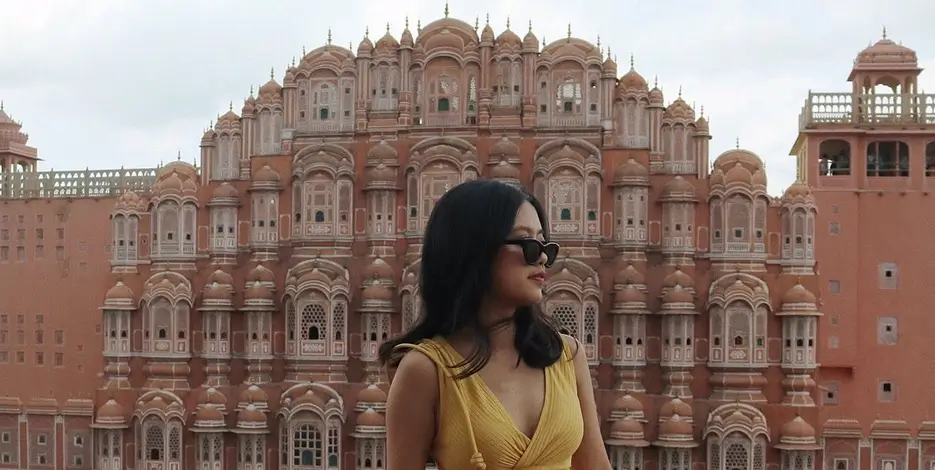
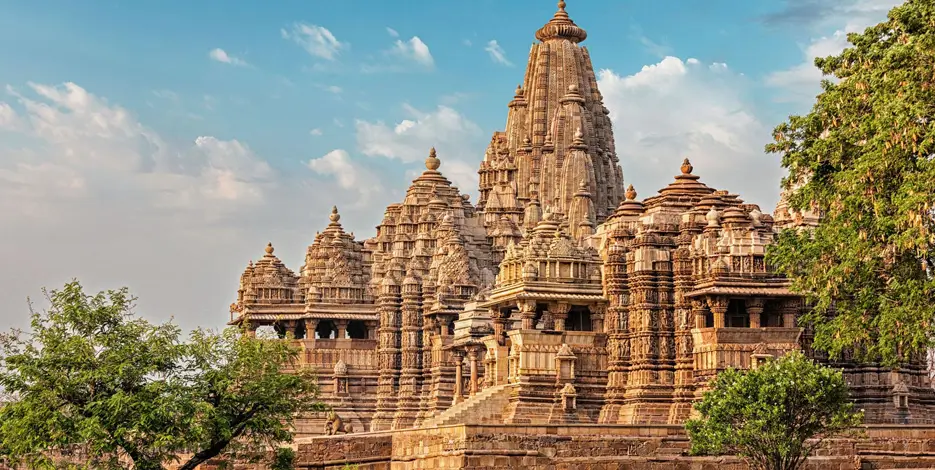
Delhi brings several periods of Indian history together in one city. Old Delhi is known for Jama Masjid, Chandni Chowk, historic lanes and Mughal-era landmarks, while New Delhi includes Humayun’s Tomb, Qutub Minar and the broad administrative districts of the capital. Agra follows with the Taj Mahal and Agra Fort, two monuments that place Mughal architecture at the centre of the journey. Jaipur changes the setting again with Amber Fort, City Palace, Jantar Mantar, Hawa Mahal, traditional bazaars and Rajasthan’s long-established craft culture.
A Delhi Agra Jaipur tour can be completed as a compact holiday or planned at a slower pace. Longer itineraries can also connect the three core cities with Ranthambore, Varanasi, Amritsar, Pushkar, Rishikesh and other destinations according to the traveller’s interests.
How Many Days Do You Need for a Golden Triangle Tour?
The number of days required depends on the traveller’s pace and how much time they want to spend in each city. A three-day programme is possible, but it concentrates on major landmarks and requires a disciplined schedule. Five to seven days gives first-time visitors a more balanced introduction to the circuit.
|
Duration
|
Typical Route
|
Best For
|
Pace
|
|
3 Day Golden Triangle Tour
|
Delhi – Agra – Jaipur
|
Short holidays and stopovers
|
Fast
|
|
4 Day Golden Triangle Tour
|
Delhi – Agra – Jaipur
|
Essential sightseeing
|
Moderately fast
|
|
5 Day Golden Triangle Tour
|
Delhi – Agra – Jaipur
|
First-time visitors
|
Balanced
|
|
6 Day Golden Triangle Tour
|
Delhi – Agra – Jaipur
|
Couples and families
|
Comfortable
|
|
7 Day Golden Triangle Tour
|
Delhi – Agra – Jaipur
|
Detailed sightseeing
|
Relaxed
|
|
10 Day Golden Triangle Tour
|
Core cities + extension
|
Cultural and wildlife combinations
|
Leisurely
|
|
15 Day Golden Triangle Tour
|
Golden Triangle + wider India
|
Longer private holidays
|
Leisurely
|
A 3 Day Golden Triangle Tour works best when Delhi, Agra and Jaipur form part of a longer trip and the traveller has limited time available. There will be less room for markets, long meals, optional activities or extended visits at monuments. It is an efficient itinerary rather than a relaxed one.
Four or five days gives the schedule greater flexibility. A 5 Day Golden Triangle Tour can cover the principal landmarks while reducing some of the pressure associated with a three-day programme. Travellers can spend more meaningful time in Delhi and Jaipur instead of treating both cities as quick overnight stops.
Six to seven days is particularly suitable for travellers arriving in India after a long international flight. A 7 Day Golden Triangle Tour allows sightseeing to be spread more sensibly across the trip, with time available for markets, local neighbourhoods, meals and breaks between major monuments.
Ten to fifteen days changes the nature of the holiday. Instead of filling extra days with additional sightseeing in the same cities, a longer Golden Triangle India itinerary can incorporate wildlife, spiritual destinations, Rajasthan or other parts of northern India.
Best Time to Visit the Golden Triangle
October through March is generally the most comfortable period for a Golden Triangle Tour India, particularly for travellers who intend to spend significant time walking through forts, archaeological sites, old neighbourhoods and outdoor monuments.
December and January can have cool mornings and evenings. Fog may occasionally affect road, rail and flight schedules in northern India during winter, so itineraries should retain sensible margins around important connections.
April, May and June are hotter. Travel remains possible, but early morning sightseeing, air-conditioned private transport and a less demanding afternoon schedule become more important. July through September brings monsoon conditions, with periods of rain and higher humidity.
|
Month
|
General Conditions
|
Planning Consideration
|
|
October
|
Warm to pleasant
|
Strong start to the main travel season
|
|
November
|
Pleasant
|
Very good for outdoor sightseeing
|
|
December
|
Mild days, cool mornings
|
Carry a light jacket or warmer layer
|
|
January
|
Cool, possible fog
|
Allow flexibility around transport
|
|
February
|
Pleasant
|
Excellent sightseeing conditions
|
|
March
|
Warm
|
Earlier starts work well
|
|
April
|
Hot
|
Reduce strenuous midday sightseeing
|
|
May
|
Very hot
|
Prioritise mornings and late afternoons
|
|
June
|
Very hot
|
Private air-conditioned transport is valuable
|
|
July
|
Hot with monsoon rain
|
Flexible outdoor scheduling recommended
|
|
August
|
Humid with rainfall
|
Keep sufficient time between activities
|
|
September
|
Warm, monsoon easing
|
Conditions gradually become drier
|
There is therefore no single month that every traveller must choose. Visitors restricted by school holidays, work commitments or international flight schedules can travel at other times of the year. The daily programme simply needs to reflect seasonal conditions.
For travellers with complete date flexibility, November to March remains the easiest period for a Delhi Agra Jaipur holiday, particularly when sightseeing comfort is the main consideration.
Our Golden Triangle Tour Packages
Our Golden Triangle tour packages are not restricted to one standard Delhi–Agra–Jaipur programme. Travellers differ in available time, hotel expectations, interests and onward plans, so the collection includes short classic itineraries as well as longer routes connecting the Golden Triangle with other parts of India.
Classic Delhi Agra Jaipur Tours
The classic Delhi Agra Jaipur tour remains the foundation of the category. Delhi is usually the first city, although the sequence can be adapted around arrival arrangements. Sightseeing can combine Old Delhi and New Delhi, giving travellers a useful contrast between the historic capital and the wider modern city.
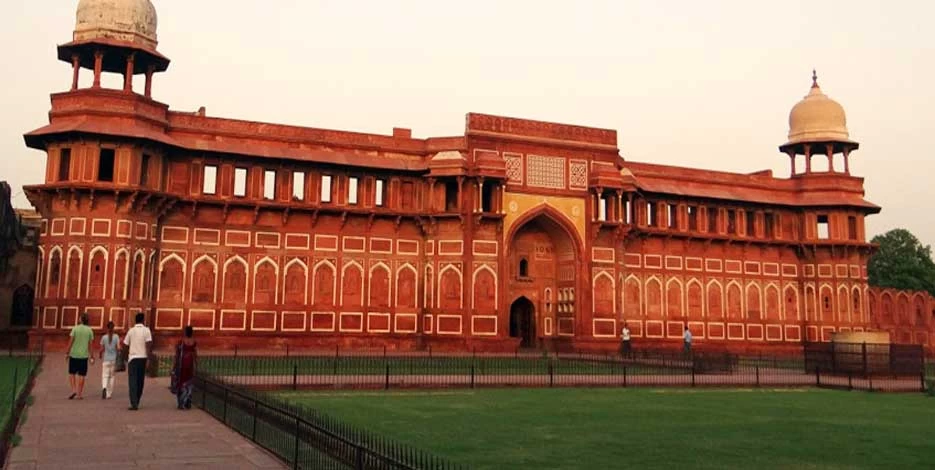
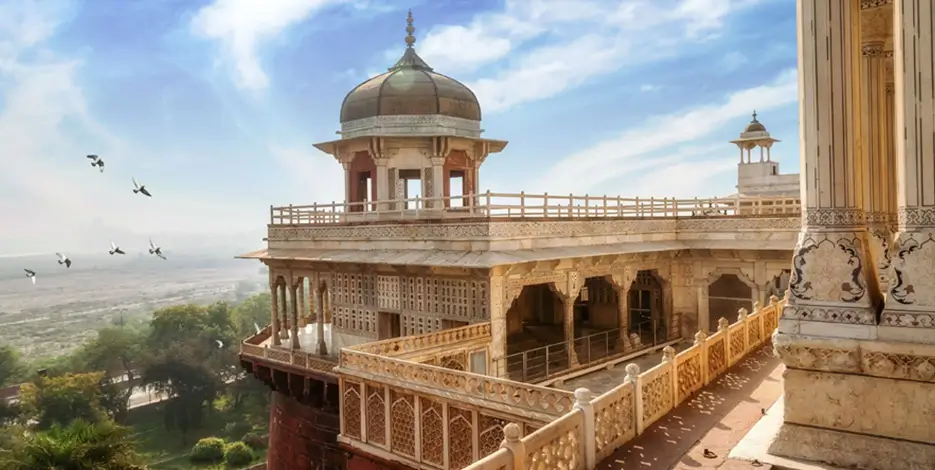
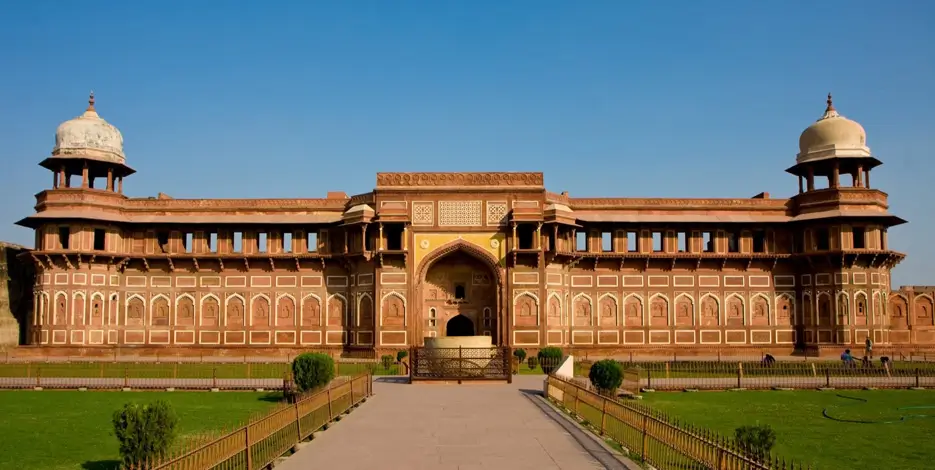
Agra is generally reached by private road transfer. The Taj Mahal is the principal landmark, but Agra Fort should not be treated as a secondary stop. Its palaces, courtyards and defensive architecture help explain Agra’s importance during the Mughal period.
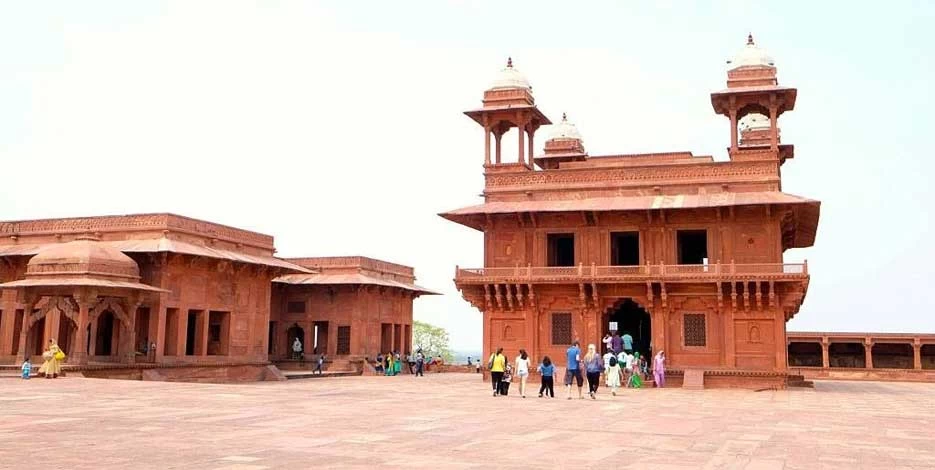
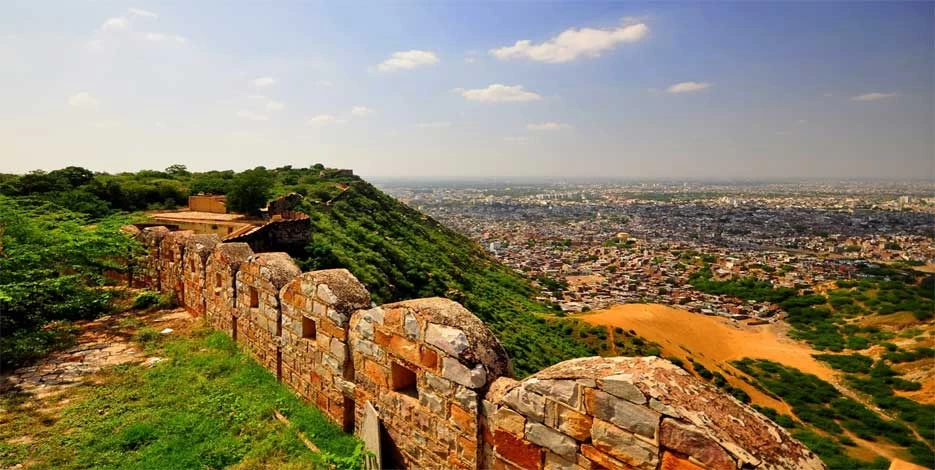
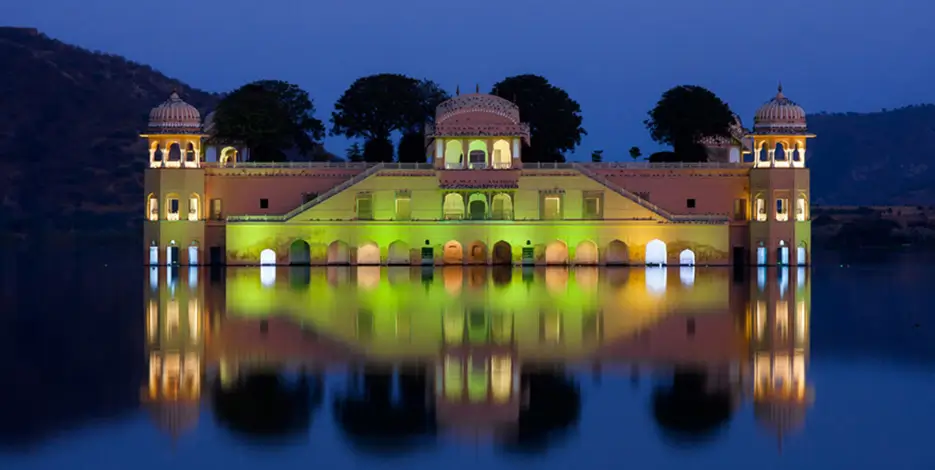
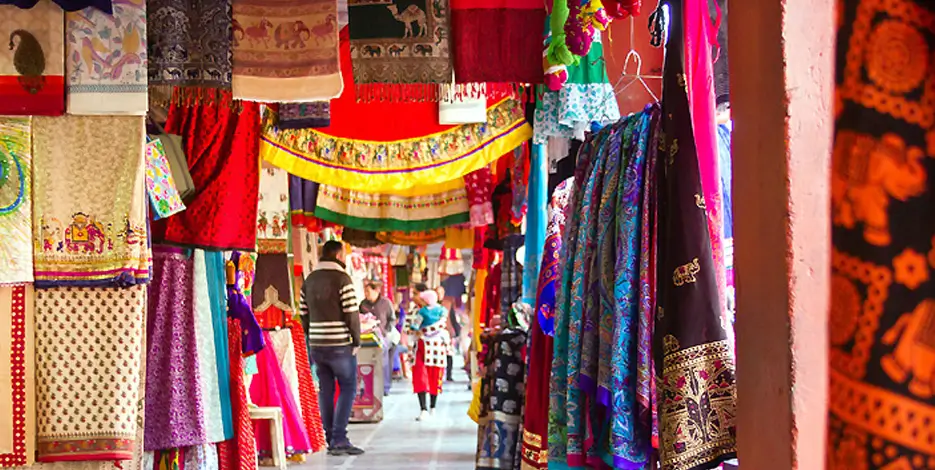
The journey towards Jaipur can include Fatehpur Sikri when suitable. Jaipur then introduces Rajasthan through Amber Fort, City Palace, Jantar Mantar, Hawa Mahal and its old commercial quarters.
A well-paced Golden Triangle India tour should leave enough time for each city to retain its own identity rather than reducing the route to three sets of monuments.
Golden Triangle Tour with Ranthambore
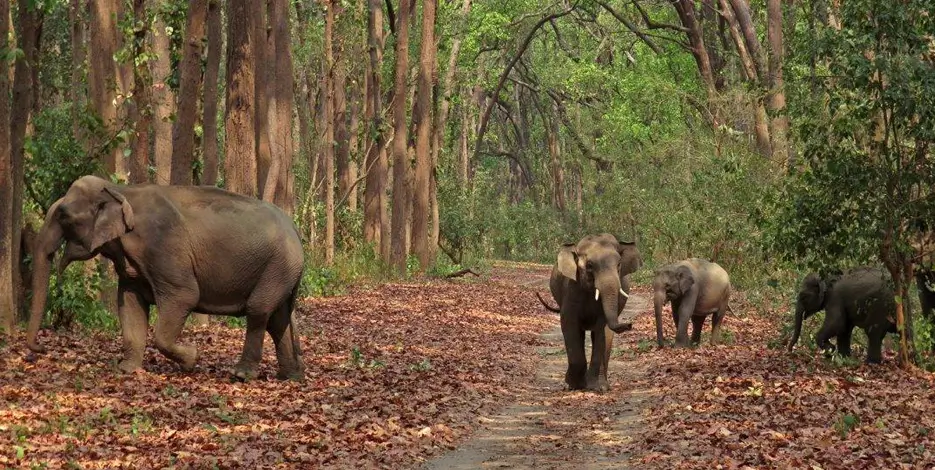
Travellers interested in wildlife can combine the cultural circuit with Ranthambore National Park. A Golden Triangle Tour with Ranthambore adds safari drives and natural landscapes to a journey otherwise dominated by architecture and urban sightseeing.
Ranthambore works particularly well because of its location relative to Jaipur and Agra. Safari availability needs to be considered while planning, so wildlife arrangements are better incorporated when the main itinerary is created rather than added immediately before arrival.
A tiger sighting can never be guaranteed. The value of Ranthambore is broader than a single species, with forest landscapes, birdlife, other wildlife and the historic fort forming part of the setting.
Golden Triangle Tour with Varanasi
A Golden Triangle Tour with Varanasi is suited to travellers who want to add one of India’s most important spiritual cities to the classic northern route.
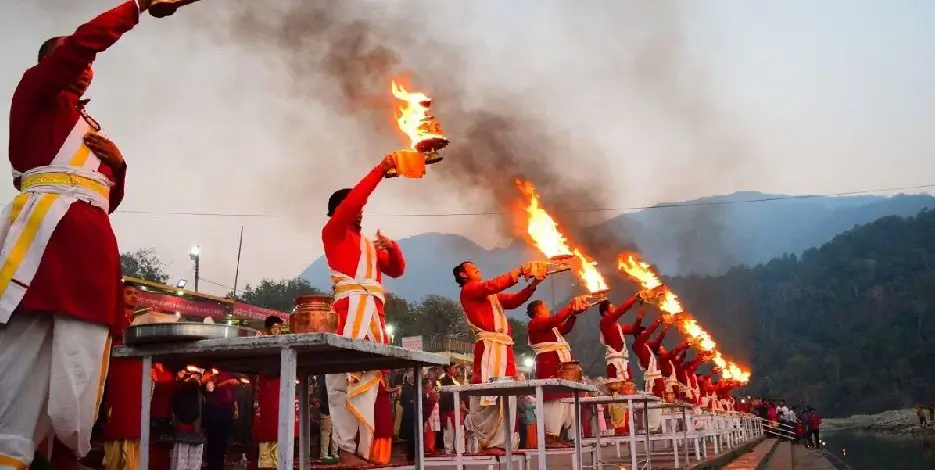
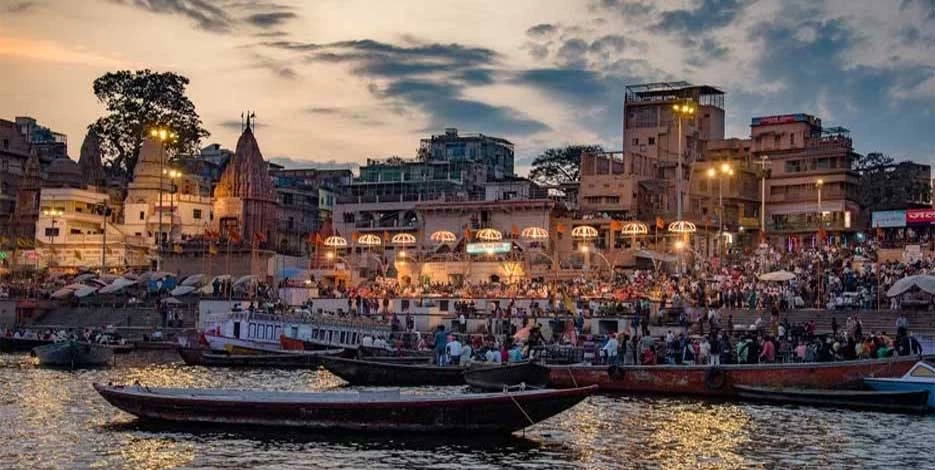
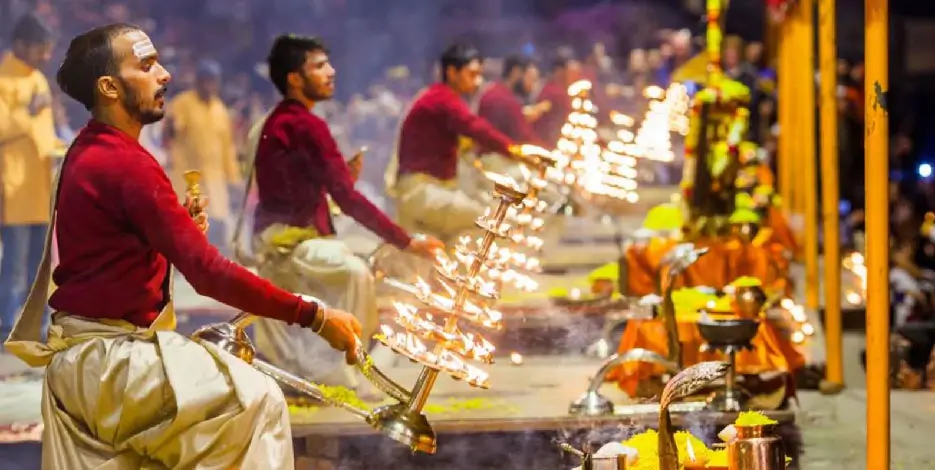
Varanasi brings a very different rhythm to the journey. The ghats along the Ganges, boat journeys, religious ceremonies, old-city lanes and long-standing pilgrimage traditions provide cultural context that cannot be replicated in Delhi, Agra or Jaipur.
Because Varanasi lies outside the road triangle, the transport plan needs to be designed accordingly. Domestic flights or other appropriate connections can be used depending on the complete itinerary.
Golden Triangle Tour with Amritsar
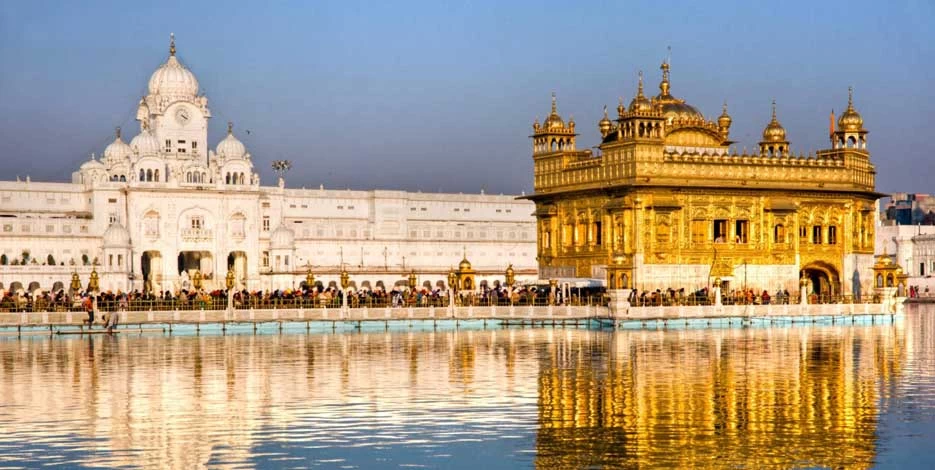
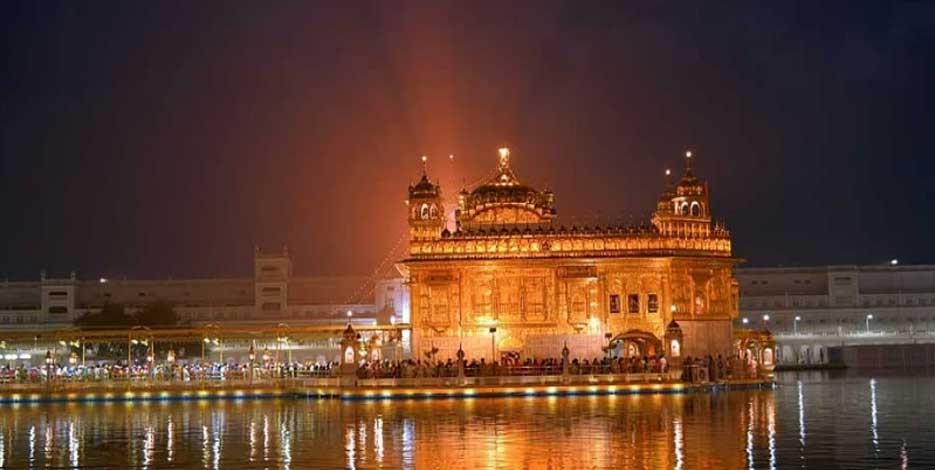
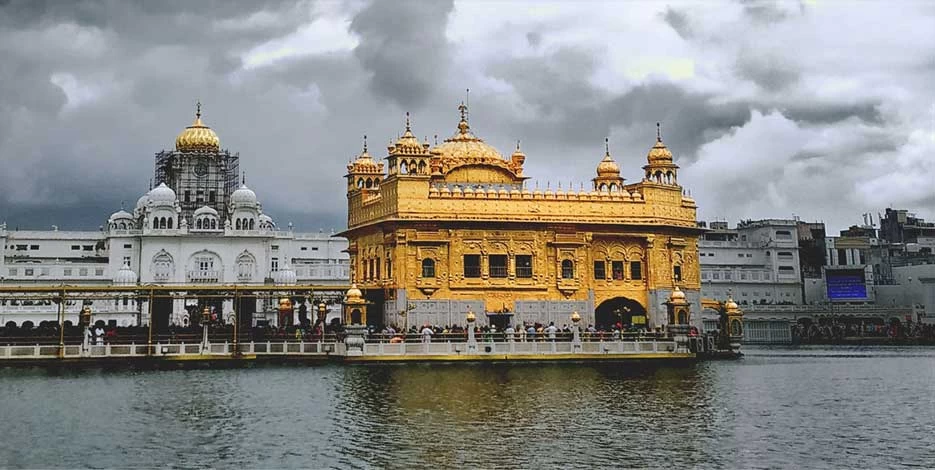
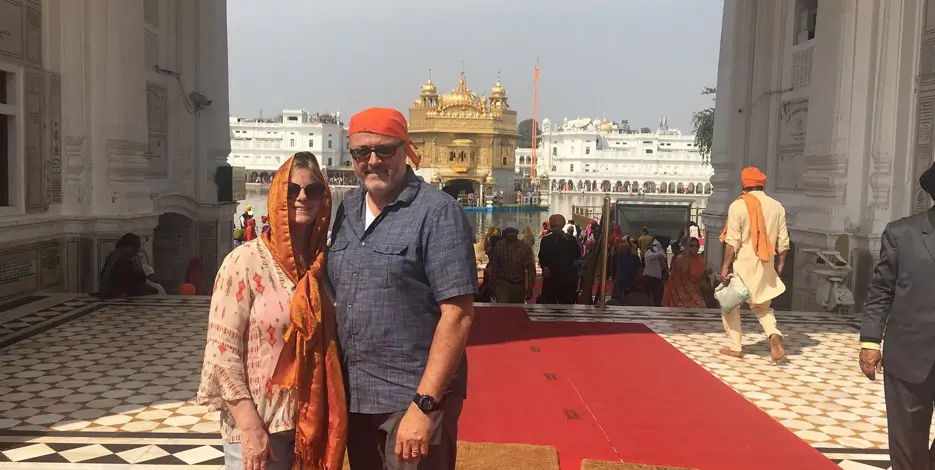
Amritsar can be added for travellers interested in Sikh history and the Golden Temple. A Golden Triangle Tour with Amritsar broadens the religious and historical scope of the holiday while retaining Delhi, Agra and Jaipur as the central route.
Enough time should be allocated to Amritsar rather than adding it merely as a rushed additional city. Longer itineraries are therefore better suited to this combination.
Golden Triangle with Rajasthan
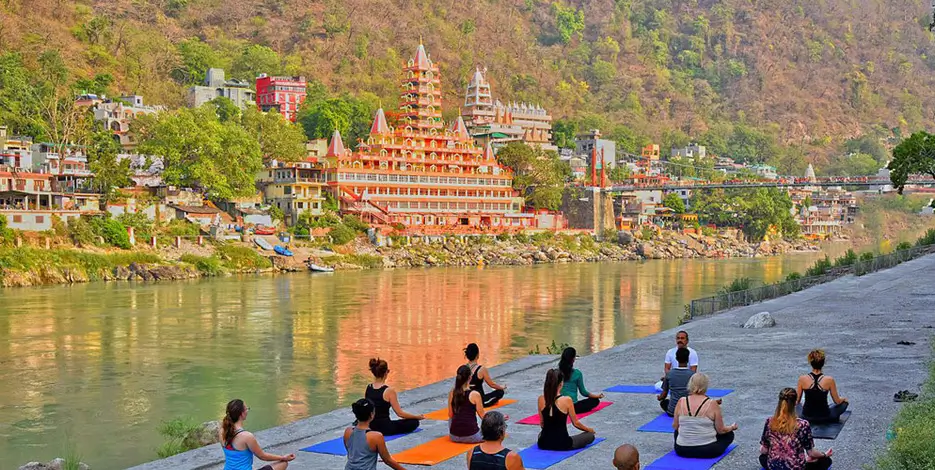
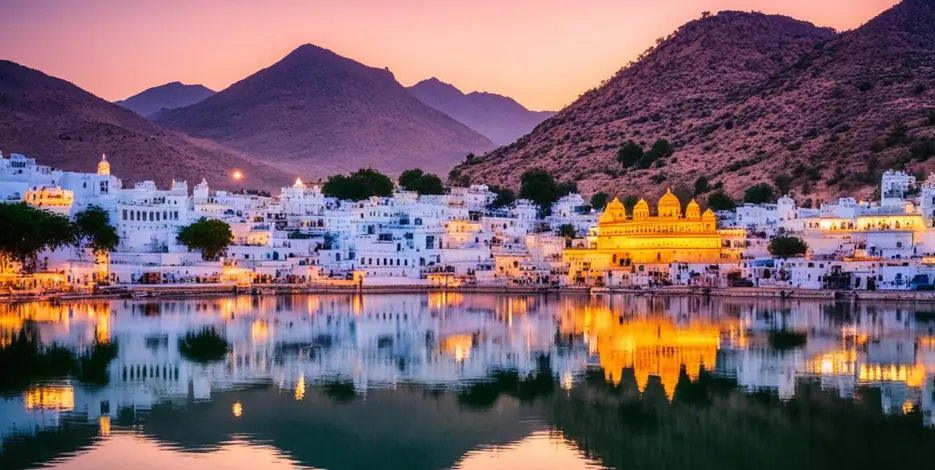
For travellers with more time, Jaipur can act as the gateway to a wider Rajasthan itinerary. A Golden Triangle Tour with Rajasthan can continue to destinations such as Jodhpur, Udaipur, Pushkar or other heritage towns depending on the number of days available.
This is particularly suitable for travellers interested in forts, palaces, heritage hotels, regional crafts and the changing landscapes of Rajasthan.
Special-Interest Golden Triangle Tours
Not every visitor has the same reason for coming to India. Our broader selection includes Golden Triangle photography tours, Golden Triangle culinary tours, wellness-based programmes and itineraries created around particular travel interests.
Photography itineraries require careful timing because light conditions often matter more than conventional sightseeing hours. Culinary trips can allocate additional time to markets, regional dishes and suitable food activities. Wellness programmes can balance cultural sightseeing with slower periods or relevant extensions.
Families, couples, solo travellers and senior visitors also require different pacing. The purpose of a custom Golden Triangle tour is to adjust the programme around those differences rather than forcing every traveller into the same daily schedule.
Private Golden Triangle Tour with Car and Driver
A Golden Triangle Tour by private car is one of the most practical ways to travel between Delhi, Agra and Jaipur. The three cities are well suited to road travel, and keeping the same private vehicle for the principal sectors provides considerably more control over the itinerary.
The vehicle is reserved for the travelling party. Departure times can therefore be planned around sightseeing rather than a shared coach timetable. Rest stops can be taken when needed, and luggage does not have to be managed through repeated group transfers.
An experienced driver is particularly valuable on a multi-city route. Driving conditions in India can be unfamiliar to overseas visitors, and having a professional driver allows guests to concentrate on the trip rather than navigation, parking and local traffic.
A Golden Triangle Tour with private car and driver does not mean the driver replaces the guide. Local guides can be arranged for sightseeing in Delhi, Agra and Jaipur, providing historical and architectural interpretation at the places where detailed guiding is useful.
Vehicle size is selected according to the travelling party. Couples and solo travellers may prefer a comfortable sedan, while families and private groups need additional passenger and luggage space.
This format also gives travellers more privacy. There is no requirement to wait for unrelated passengers, follow a group shopping schedule or leave a monument because other members of a coach tour are ready to move on.
Planning the Right Golden Triangle India Itinerary
A good Golden Triangle India itinerary begins with realistic timing. The number of available nights should be considered after accounting for international arrival and departure rather than assuming every calendar day is a full sightseeing day.
For travellers arriving from Europe, North America or Australia, the first day may need to be lighter because of flight duration and time-zone changes. Starting immediately with a demanding programme can make the first part of the holiday unnecessarily tiring.
Sightseeing priorities should then be established. History-focused travellers may want longer guided visits at major monuments. Families may prefer fewer sites in a day. Photographers need favourable morning and evening timings. Senior travellers may benefit from shorter walking periods and additional breaks.
Hotel location also affects the daily schedule. Selecting accommodation solely by room category without considering location can add unnecessary driving time. A well-designed private Golden Triangle Tour India considers hotel choice as part of the itinerary rather than as a separate booking decision.
Extensions should be chosen for a clear reason. Ranthambore adds wildlife, Varanasi adds spiritual and cultural depth, Amritsar introduces Sikh heritage, and a Rajasthan extension adds more forts, palaces, heritage towns and regional landscapes.
Trying to add too many cities to a short holiday usually works against the quality of the trip. A seven-day itinerary with sensible pacing can provide a better understanding of the Golden Triangle than an itinerary that attempts to cover six or seven destinations in the same period.
Our custom Golden Triangle tour packages can therefore be adjusted around available days, hotel preferences, interests, mobility requirements, international flight timings and the destinations a traveller genuinely wants to see.